






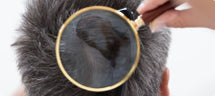





Did this ever happen to you before? You’ve just recovered from a bad flu or infection—finally back to your usual routine—then, weeks later, your hair starts falling out. That’s usually the moment it clicks; something’s quite off.
The timing feels random at first. Then, it hits you—you were just sick sometime ago, and now, suddenly, there’s more hair in the shower, on your brush, and on your pillow.
If you’re experiencing hair falling out after being sick, this pattern is more common than you think. And more importantly, it’s usually temporary.
What’s Actually Happening Inside the Hair Cycle
When your body goes through stress, like a viral infection or high fever, it redirects energy to recovery. Hair growth gets deprioritised.
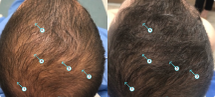
This leads to telogen effluvium, a condition where more hair follicles than usual enter the resting phase. The shedding doesn’t happen immediately. It shows up later, which is why hair loss when sick often feels disconnected from the actual illness. A clinical overview from the National Library of Medicine further explains how stress disrupts the hair cycle.
Why It Shows Up Months Later
Hair grows in cycles. After illness, follicles shift into rest mode for several weeks before shedding begins.
So, what sickness makes your hair fall out? Typically, it can be:
- Flu or viral infections
- COVID-19
- High fever
- Physical or emotional stress
- The trigger happens earlier. You’re just seeing the result now.
What Usually Triggers Hair Shedding After Illness
What triggers the shedding isn’t the illness itself, but how your body responds to it. When you get sick, especially with something intense, your system shifts priorities. Hair growth just isn’t one of them.
Here’s what’s usually happening behind the scenes:
- High fever puts your body under stress and disrupts normal hair growth cycles.
- Inflammation signals your system to focus on healing, not maintenance, like hair production.
- Nutrient depletion causes your appetite to drop, absorption to slow, and your body to lack what it needs to sustain growth.
- Physical stress, even just being bedridden or fatigued, can trigger a shift in your hair cycle.
- Emotional stress comes with any illness, which further affects hair growth.
Because of this, more hair follicles than usual are pushed into the resting phase earlier than they should be. You won’t notice it right away. But weeks later, when those strands start to shed, it feels sudden.
The Telogen Effluvium Timeline
|
Stage |
Timeline |
What Happens |
|
Illness |
Week 0 |
Body under stress |
|
Shift phase |
Weeks 2–6 |
Hair enters the resting stage |
|
Shedding |
Weeks 8–12 |
Noticeable hair fall |
|
Peak |
Month 3–4 |
Thinning becomes visible |
|
Recovery |
Month 4–6 |
Regrowth begins |
This is why it feels sudden when it’s actually not. So is telogen effluvium temporary? Yes. The hair cycle resets once your body stabilises. But it takes time. Shedding may last a few months before regrowth catches up.
What Actually Helps
You don’t need to panic. But you do need to support your scalp properly. At DS Laboratories, we focus on stabilising the hair environment during this phase—not just after.
You can explore our full range of products specifically formulated for hair loss.
Cleanse Properly
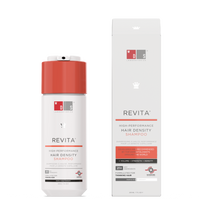
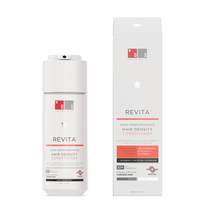
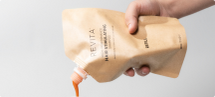
Use formulations that support the scalp, not strip it. Revita Shampoo helps reduce shedding while improving scalp health. Pair it with Revita Conditioner to maintain hydration.
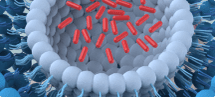
For added antioxidant support, Revita CBD Shampoo helps calm inflammation. All of these are powered by our Nanosome Delivery Technology, which allows active ingredients to be encapsulated and released gradually into the scalp. This improves absorption and ensures the ingredients reach deeper into the follicle, rather than just sitting on the surface.
Target the Follicle
For active regrowth support, leave-in treatments make a difference. Spectral CBD combines 5% nanoxidil with CBD to support follicle recovery. For men, Spectral DNC-N targets both shedding and pattern thinning.
What sets these apart is the use of nanoxidil, which has a lower molecular weight than traditional alternatives. This allows for better penetration into the scalp, delivering active ingredients more efficiently without overwhelming the skin.
Support Your Body, Too
Hair recovery doesn’t happen in isolation. If your body is still catching up from the illness, your hair will reflect that.
Focus on the basics—consistently:
- Proper nutrition – Your body needs enough protein, iron, and essential vitamins to restart the hair growth cycle, especially if your intake dropped while you were sick.
- Sleep – This is when your body repairs and resets. Poor sleep can slow down regrowth.
- Stress management – Ongoing stress can keep hair in the resting phase.
When to Check Further and What to Do Next
Hair loss after being sick can feel sudden, but there’s usually a clear pattern behind it. Most cases resolve on their own—but it’s worth taking a closer look if shedding lasts beyond 6 months, becomes patchy, or comes with scalp discomfort.
If you’re unsure what causes your hair to fall out beyond illness, getting assessed early can give you clarity.
From there, the focus is simple. Don’t overcorrect. Support the scalp, stay consistent, and allow the hair cycle to reset.
At DS Laboratories, we focus on that transition phase—when shedding has started, but regrowth hasn’t fully caught up yet. If you’re noticing early signs or want to support recovery properly, you can explore our full range of products today.
Give it time. With the right support, your hair usually finds its way back.