














You’re pulling your hair back into that sleek “clean girl” bun or finishing up a fresh set of braids, and you catch a glimpse in the mirror. The edges aren’t as thick as they used to be. Maybe there are some broken “baby hairs” that won’t grow past an inch, or perhaps the scalp is looking a little more visible than you’d like.
If you’re panicking, take a breath. Hairline breakage and thinning are incredibly common, especially with the versatile (but sometimes heavy) styles we love in South Africa. The good news? Your follicles are likely just stressed, not gone. Whether it’s from heat, tension, or chemical processing, here is exactly how to fix a damaged hairline and get your confidence back.
The “Why” Before the “How”
Before we discuss how to restore a woman’s hairline, we need to identify the culprit. Most hairline damage is caused by two primary factors: tension and brittle strands.
In South Africa, many of us deal with traction alopecia—hair loss that can be caused by pulling. Those tight ponytails or heavy “Goddess Braids” put constant stress on the delicate follicles around the face. Over time, the hair doesn’t just break; the follicle itself gets tired and stops producing hair. On the other hand, if you’re seeing short, jagged hairs rather than a smooth scalp, you’re likely dealing with breakage from dryness or chemical over-processing.
Step 1: Give Your Edges a Break
If you want to learn how to repair a damaged hairline, the first rule is the hardest: stop the pulling. For the next few weeks, avoid high-tension hairstyles. If you’re a fan of wigs, be wary of the glues and the friction of the lace rubbing against your skin.
Switch to low-manipulation styles. Let your hair breathe. If you must tie it back, use a silk or satin scrunchie and keep it loose. This gives the follicles a chance to recover from the physical stress and start the restorative phase of the growth cycle.
Step 2: Wash with Purpose
You can’t grow a garden in poor soil. The same applies to your scalp. Many of us make the mistake of piling heavy oils onto a damaged hairline, thinking moisture is the answer. In reality, too much oil can clog the follicles and actually hinder growth.
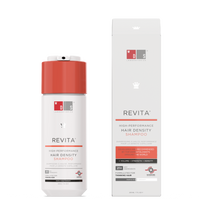
Instead, look at how to restore a damaged hairline through clinical cleansing. Using a high-performance system like the NIA® Advanced Restructuring Shampoo is a game-changer. Unlike standard shampoos that just clean the surface, this formula uses Nanosome technology to deliver active ingredients—like wheat protein and panthenol—deeper into the scalp. It stimulates the follicles while you wash, ensuring the new hair coming through is stronger and more resilient than the hair that broke off.
Step 3: Perform Targeted Repair for Your Hairline
Are you a black female looking for specific tips on how to regrow your hairline? You know our hair needs a specific kind of love. Our coils are naturally drier, making the hairline even more prone to snapping.
This is where a leave-in treatment becomes your best friend. After washing, you need something that stays on the skin to keep the growth signals turned on. Spectral.CBD is a powerhouse for this. It is formulated with broad-spectrum CBD (cannabidiol) and Nanoxidil (a more advanced, lighter alternative to Minoxidil) to increase blood flow to those tiny edges. By feeding the area with a steady stream of nutrients, you’re giving those dormant follicles a reason to wake up and start producing again.

Step 4: Seal the Deal with Moisture
Once you’ve treated the scalp, you have to protect the hair that’s still there. Damaged hair is porous, meaning it has tiny holes in the cuticle that let moisture escape. This is why your hairline might feel crunchy or dry by midday.
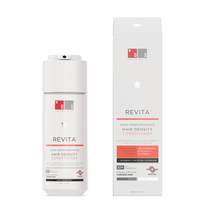
To repair a hairline, you need to seal those gaps. Use a conditioning treatment specifically designed for structural repair, like the Nia Fix System. It’s a two-step process that actually bonds the broken links in your hair back together. Think of it like medical-grade conditioning. It makes the hair more elastic so that when you do eventually go back to your favourite braids or blowouts, the hair can stretch rather than snap.
Step 5: Be Patient (The 90-Day Rule)
We know you want to see results by next weekend, but hair growth is a marathon, not a sprint. It takes roughly 90 days of consistent care to see a visible difference in density. You wouldn’t go to the gym once and expect a six-pack; your hair is the same. Stick to your stimulating shampoo and restructuring conditioner, use your serum every night, and keep the tension low.
The Bottom Line
Knowing how to repair a hairline isn’t about finding a “miracle grease” at the local shop. More aptly, it’s about science, patience, and eventually switching from repair and maintenance mode to defence mode.
By combining professional-grade products from DS Laboratories with intentional care and consistency, you aren’t just masking the problem—you’re also physically changing the way your hair grows. Your edges have been through a lot; give them the clinical care they deserve, and they’ll grow back thicker, stronger, and better than before.