






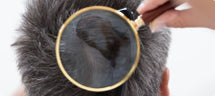





You wash your hair. You rinse thoroughly. You even use products that normally work well for you. Yet somehow, your hair still feels coated. Heavy and almost sticky—instead of feeling fresh and clean, it feels as though there is an extra layer sitting on top of it.
Most people assume the problem is product buildup or excess oil, which is a common issue, too, by the way. However, there is another culprit that often gets overlooked: the water you use to wash those hair products with.
In many parts of South Africa, water quality varies significantly between regions. You may have even noticed your hair behaving differently when travelling between cities. What feels soft and manageable in one area can suddenly become dull, waxy, or difficult to style in another. If you have ever travelled, moved cities, or even switched suburbs and noticed your hair behaving differently, you are not imagining it.
What Hard Water Actually Does to Your Hair
If you’ve ever wondered, “Does hard water affect hair?” The short answer is yes.
Hard water contains elevated levels of minerals, primarily calcium and magnesium. While these minerals are harmless to drink, they can create problems when they repeatedly come into contact with your hair.
Each time you wash, tiny mineral deposits are left behind on the hair shaft. One wash will not make much difference. Months or years of exposure is another story. Over time, that residue begins to accumulate.
Here are the hard water hair problems people struggle with every day:
- Hair that feels waxy after washing
- Increased tangling
- Dullness and reduced shine
- Dry or rough texture
- Frizz that seems impossible to control
- Hair that feels heavy despite being freshly washed
The effect is similar to repeatedly applying a very thin coating over each strand. Eventually, moisture struggles to penetrate properly, and styling products stop performing the way they should.
Why Exactly Your Hair Feels Waxy After Washing
Your scalp naturally produces sebum to protect the hair and maintain hydration. Under normal conditions, that oil serves an important purpose.
When hard water minerals begin accumulating on the hair shaft, however, those oils can bind to the residue. Dead skin cells, environmental pollutants, and leftover styling products can join the mix.
Instead of rinsing away cleanly, everything starts clinging together. That is when hair can develop that unmistakable waxy texture. Not greasy exactly. Not dirty. Just coated.
Many people then respond by washing more frequently, which can further disrupt the scalp environment and encourage even more oil production.
Can Hard Water Damage Hair?
Hard water does not damage hair in the same way that bleach or excessive heat styling does. It does, however, create conditions that make hair more vulnerable.
As mentioned, when mineral deposits build up, moisture has a harder time reaching the inner layers of the hair strand. Hair becomes drier, more brittle, and less flexible.
That often leads to:
- Increased breakage
- Split ends
- Frizz
- Reduced elasticity
- Colour fading more quickly
So while hard water may not be the direct source of damage, it can contribute to it over time.
How Your Scalp Responds to Hard Water
The conversation is not only about hair. Your scalp plays an equally important role.
Research into the scalp microbiome continues to show that a balanced scalp environment helps regulate oil production, support the skin barrier, and maintain overall scalp health.
When mineral buildup combines with excess oil, product residue, and environmental debris, that balance can become disrupted.
Some people notice:
- Increased oiliness
- Dry patches
- Flaking
- Irritation
- A heavier feeling at the roots
The symptoms vary from person to person, but the underlying issue is often the same: buildup. This is one reason why cleansing and repair-focused routines become especially important for people living in hard-water areas.
Repairing Hair Affected by Hard Water
Once buildup has taken hold, your goal is not only to remove residue but also to restore what the hair has lost. That is where a targeted hair repair routine can make a significant difference.
At DS Laboratories, we focus heavily on repairing the structural integrity of the hair itself.
Our Nia Restructuring Combo was developed specifically for damaged, stressed, and environmentally exposed hair. The formulation combines Hydrolysed Soy Protein and Vegetable Proteins to help improve moisture retention, increase manageability, and strengthen weakened strands.
Equally important is the inclusion of ceramide-like repair technology that helps rebuild the hair fibre’s lipid structure and support cuticle cohesion. When the cuticle lies flatter, hair feels smoother, reflects more light, and becomes easier to manage.
For those looking to strengthen and condition damaged lengths, the Nia Restructuring Conditioner helps nourish the hair while supporting long-term repair.
Ingredients such as Hydrolysed Soy Protein, Honey Bee Moisture Complex, Panthenol, Aloe Vera, Vitamin E, and Babassu Oil work together to improve softness, hydration, and resilience without leaving the hair feeling weighed down.
Why Science Matters When Repairing Damaged Hair
Not every repair product works the same way. Many formulas simply coat the hair temporarily. The result feels good for a day or two but quickly fades after the next wash.
Our approach is built around the research showcased through our science platform, where advanced ingredient technologies are developed to support healthier hair and scalp function over time.
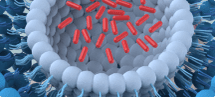
The Nanosome Delivery System® used throughout the Nia range helps deliver active ingredients more effectively, allowing them to work where they are needed most.
This commitment to innovation is one reason DS Laboratories products continue to be trusted by dermatologists and healthcare professionals around the world.
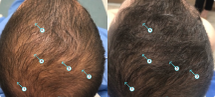
You can also explore our results page to see how real users have responded to various treatment and repair programmes.
Hard Water Is Only Part of the Story
Mineral buildup can contribute to waxy-feeling hair, but it rarely works alone. Product residue, environmental exposure, heat styling, and an unbalanced scalp can all compound the issue.
That is why effective hair care focuses on the overall condition of the hair fibre and scalp rather than treating a single symptom. The healthier the hair structure, the better equipped it is to withstand everyday stressors.
If you’re dealing with persistent buildup, dryness, or a greasy feel after washing with hard water, our team can help guide you toward the right repair-focused products for your hair type and concerns. You can reach out through our contact page, and we’ll be happy to assist.