











If you’ve ever stared in the mirror, frustrated that your expensive spot treatment isn’t doing anything, you aren’t alone. In South Africa, our unique mix of intense heat, high humidity, and dusty environments creates a playground for different types of breakouts. But here’s the kicker: treating fungal acne with a bacterial acne cream is like trying to put out a grease fire with water—it might actually make things worse. To get your skin clear, you have to know exactly who the intruder is. Let’s break down the “Big Three” of the breakout world so you can stop guessing and start glowing.
The Itchy Imposter: Fungal Acne
First off, fungal acne isn’t actually acne. Its medical name is Malassezia folliculitis. While traditional acne is caused by bacteria, this version is caused by an overgrowth of yeast that lives in your hair follicles.
How do you know if it’s fungal acne? The biggest giveaway is the itch. If your breakouts feel like they need a good scratch, you’re likely dealing with yeast. Unlike traditional pimples, fungal acne usually shows up as tiny red bumps that all look exactly the same. You won’t see blackheads or whiteheads mixed in there; just a cluster of small, stubborn residents.
In our local climate, sweat is the primary fuel. When you’re humid and damp—whether from a workout or a Durban summer—the yeast throws a party. You'll often see the first signs of fungal acne on the face, specifically along the hairline or forehead, but it shows up on the back and chest, too.
One common question is: Can fungal acne cause cysts? Generally, no. Fungal acne stays superficial and small. If you have deep, painful “undergrounders,” you’re likely looking at one of the next two culprits.
The Classic Culprit: Bacterial Acne
This is the standard acne most of us think of (Acne Vulgaris). It happens when your pores get clogged with a sticky mix of dead skin cells and excess oil.
Are pimples bacterial? In this case, yes. The bacteria cause an inflammatory response, which leads to the classic red, pus-filled whitehead or the dreaded blackhead. Bacterial acne looks more “random” than fungal acne; you’ll have a variety of different sizes and types of spots all happening at once.
Because this type thrives on oil and trapped sweat, it’s very common to see bacterial acne on the chest and shoulders, especially if you spend a lot of time in gym gear or tight clothing. The treatment here usually involves ingredients like Salicylic Acid or Benzoyl Peroxide to kill the bacteria and get rid of the dead skin cells.
The Deep Player: Hormonal Acne
Hormonal acne is driven by internal fluctuations—specifically, androgens, which tell your oil glands to go into overdrive. This is why many women notice a flare-up like clockwork right before their period.
If your breakouts are concentrated around your “U-zone” (the jawline, chin, and neck) and they feel like deep, painful knots that never quite come to a head, you’re dealing with hormones. This type is much more stubborn because it starts deep within the dermis, far below where a simple face wash can reach.
When it comes to hormonal acne, the approach to curing it has to be internal and external. You need to calm the inflammation while regulating the oil production that the hormones are triggering. Because this type of acne is so prone to leaving dark marks (hyperpigmentation), especially on melanin-rich skin, you may need clinical-grade intervention.
Finding the Right Solutions in South Africa
Going through the pharmacy aisles can be overwhelming, but the “best” products and skincare routine depend entirely on your diagnosis.
For fungal types, you need to starve the yeast. This means avoiding heavy oils and using specialised cleansers that balance the skin’s microbiome. For bacterial and hormonal types, you need high-potency actives that can penetrate the pore.
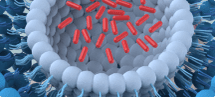
If you’re looking for the best skincare products for hormonal acne in South Africa, look for formulas that utilise Nanosome technology. Because hormonal spots are so deep, standard creams often just sit on the surface. You need an encapsulated delivery system—like those found in DS Laboratories’ clinical range for acne—to carry the Salicylic Acid or Niacinamide down to the source of the flare-up.
When testing skincare products, give them at least four to six weeks of consistent use before deciding if they work. Your skin needs time to cycle through its renewal process.
The Bottom Line
Stop treating every bump the same way. If it’s itchy and uniform, think fungal. If it’s a mix of whiteheads and blackheads on your chest or face, it’s likely bacterial. And if it’s deep, painful, and sitting on your jawline, your hormones are calling the shots.
Once you identify the cause, you can stop the shotgun approach to skincare and start using the science that actually works for your specific skin.