













Braids are one of those styles that just make life easier. They save you time in the morning, cut down on daily styling, and give your hair a proper break from heat tools.
When braids are installed too tight, left in for too long, or kept under constant tension, they start putting real stress on your scalp and hairline. So, can braids cause hair loss? Yes — particularly when the style is tugging at your roots day in, day out.
However, your scalp requires targeted care to prevent damage.
How can braiding hair cause hair loss?
When hair gets pulled tight at the root, the follicle underneath can become irritated. Keep that up long enough, and you're looking at traction alopecia — hair loss caused by ongoing strain on the scalp and hair shaft.
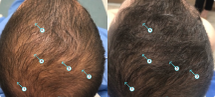
You'll usually spot it first around the edges, temples, nape, or along parting lines, since these areas cop the most pressure. Symptoms include localized thinning, small bumps, or severe scalp tenderness.
While mild tightness is common immediately post-installation, active pain signals destructive follicle stress.
Can tight braids cause hair loss?
The damage stems from the mix of tension, weight, and how long the style stays in. Tiny braids concentrate pressure on small sections of hair. Heavy extensions drag everything downward. And if you're pairing braids with a high ponytail or bun, you're adding even more pull in a completely different direction.
If your scalp feels tender, you're reaching for painkillers after your appointment, or you literally can't get comfortable enough to sleep, your braids are too tight. If discomfort persists, the installation must be loosened or removed immediately.
Can braids damage hair?
Hair loss happens at the root — at the follicle. Damage, on the other hand, usually shows up along the strand itself. If your hair feels rough, snaps under minimal pressure, or you're finding short broken pieces once the braids come out, that's more likely breakage than actual hair loss.
Damage escalates rapidly when the hair going in is already dry, the extensions are too heavy for it to handle, or the takedown gets rushed. Aggressive detangling after weeks in a protective style is another common culprit. A good braid routine really starts before you even sit in the chair: cleanse the scalp properly, condition the lengths, and steer clear of braiding hair that's already brittle or weak.
Does braid damage your hair every time?
Done well, braids genuinely work as a protective style. They cut back on daily brushing and heat exposure, both of which can be a real relief for fragile hair. Trouble tends to start when the style is too tight, too heavy, worn for too long, or repeated back-to-back without any recovery time in between.
It helps to think of braids as low-maintenance rather than no-maintenance. Your scalp still needs washing. Your hair still needs moisture. And your edges still need room to bounce back.

Is it normal to lose hair after braids?
A bit of shedding once you take braids out is completely normal. We shed hair every single day anyway, and while it's braided, those loose strands often just stay trapped in the style instead of falling out as usual. Take the braids down, and weeks' worth of shedding can suddenly show up all at once.
But there's a clear difference between ordinary shedding and actual damage. Shed hair typically has a tiny white bulb on the end. Broken hair, by contrast, tends to be shorter and uneven. If what you're seeing looks more like bald patches, thinning edges, sore spots, or scabbing, these are signs of clinical damage requiring professional evaluation.
How to wear braids more safely
Braids should feel snug and secure, not painful. Maintaining strict tension management is a preventative measure strongly advised by the American Academy of Dermatology (AAD) to avoid permanent traction alopecia. A skilled stylist can braid neatly without dragging on your scalp.
Try not to leave braids in too long. The longer they stay, the more product, sweat, and shed hair builds up underneath. Give your scalp a proper break between styles — especially if your edges are already looking a little thin.
Watch the weight of your extensions too. Extra length and volume might look amazing, but more weight always means more pulling. If your hair is fine, fragile, or still recovering from past damage, a lighter style is probably the smarter call.
Between appointments, cleanse your scalp gently rather than piling oils on top of buildup. A satin or silk scarf or pillowcase can cut down on friction while you sleep. And when it's finally time to take the braids out, don't rush it — a hurried takedown can undo everything the protective style was meant to achieve.
When should you worry?
Keep an eye out for pain, bumps, redness, itching, flaking, thinning edges, or hair that keeps breaking in the same spots. These are direct biological signals that the scalp is under critical stress.
If hair loss keeps going after the braids come out, or your hairline seems to be creeping backward, it's time to talk to a dermatologist or a qualified hair professional. Prolonged tension-related hair loss becomes increasingly difficult to reverse.
Final Thoughts
Braids don't have to damage your hair — but tight or heavy styles absolutely can put real stress on your scalp. If you've noticed shedding, thinning edges, or breakage after wearing braids, it might be time to rethink your approach and give your scalp a bit more support.
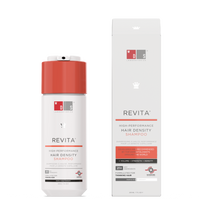
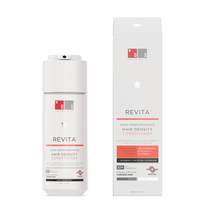
DS Laboratories South Africa offers a Hair Loss range, Shampoos, and Topical Treatments, including products like Revita High-Performance Hair Density Shampoo and Spectral. DNC-N, for anyone concerned about thinning hair and scalp health.
Contact DS Laboratories South Africa for expert, data-driven advice on restoring your hairline.